
In search engine optimization, choosing the right keywords can make or break your content strategy. One of the most important concepts every marketer should understand is Long-Tail and Short-Tail Keywords. These two keyword types play different roles in attracting traffic, improving rankings, and increasing conversions. Knowing how and when to use them helps you reach the right audience more effectively.
Understanding Short-Tail Keywords
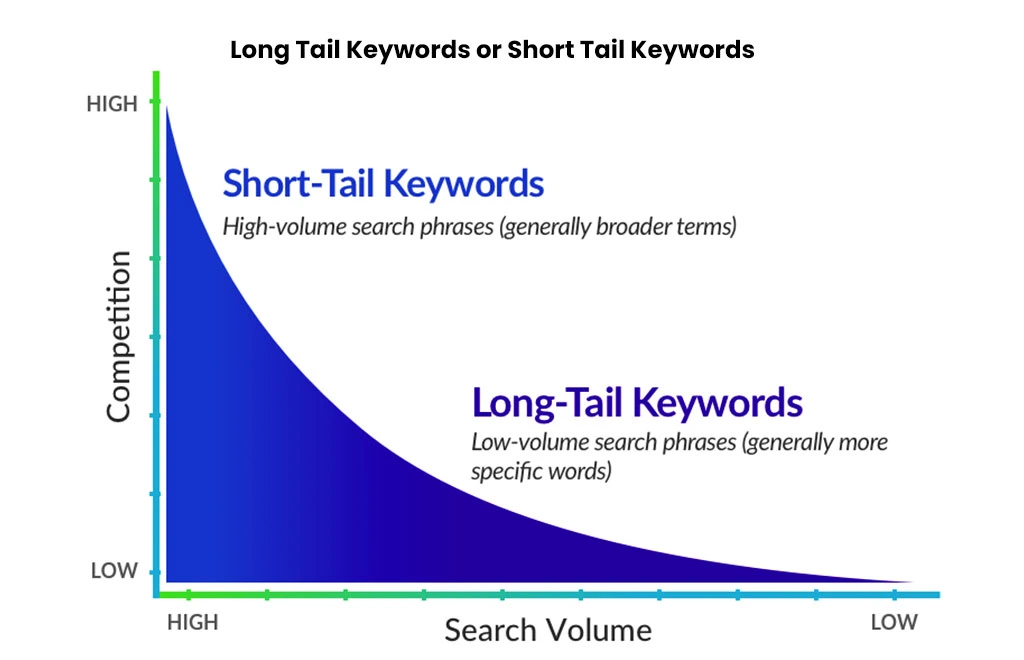
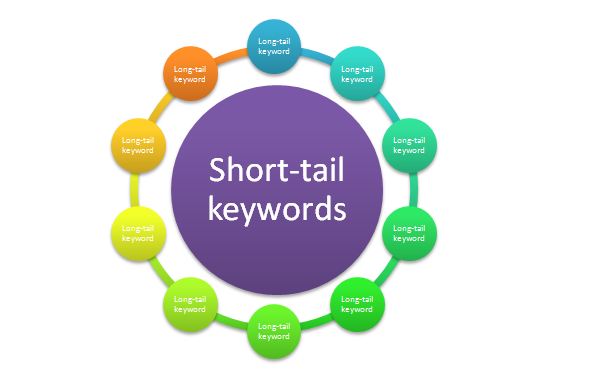
Short-tail keywords are broad search terms, usually one or two words long. Examples include “digital marketing” or “SEO tools.” These keywords have very high search volume but also intense competition. Because of this, ranking for them is difficult, especially for new websites. While they can bring large amounts of traffic, the intent behind these searches is often unclear, which may lead to lower conversion rates when using L-Tail and S-Tail Keywords incorrectly.
Examples Of Short-Tail Keywords
- Digital marketing
- SEO services
- Online marketing
These keywords attract a large audience, but they are highly competitive. Ranking for them is difficult, especially for new websites or freelancers. Also, they often have low conversion rates because the user’s intent is not clear.
What Are Long-Tail Keywords?
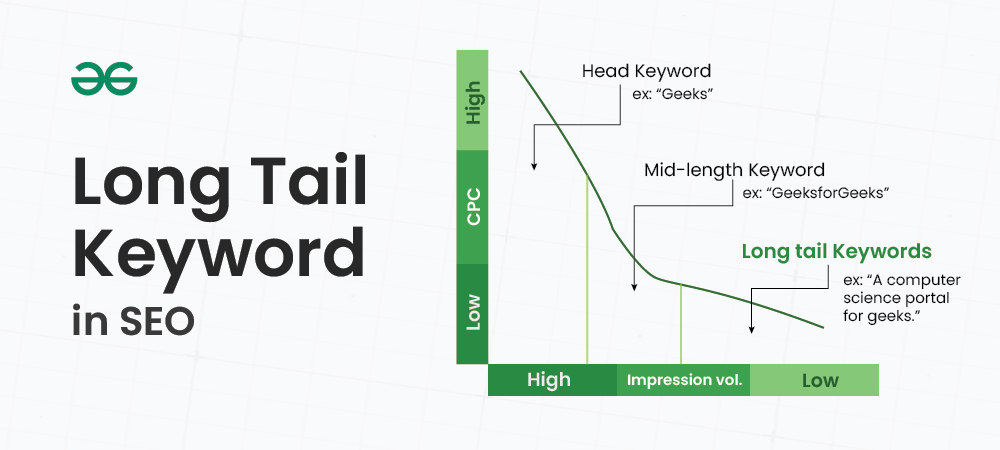
Long-tail keywords are longer, more specific search phrases, often containing three or more words. For example, “affordable digital marketing services for startups” targets a very specific need. These keywords usually have lower search volume but much less competition. Users searching with long phrases are often closer to making a decision, which makes them highly valuable in L-Tail and S-Tail Keywords planning.
Examples Of Long-Tail Keywords?
- Digital marketing freelancer in India
- Affordable SEO services for small businesses
- Best Google Ads expert for local businesses
These have lower search volume, but they are much easier to rank for. They also bring high-quality traffic because the search intent is clear, resulting in better conversion rates.
Key Differences You Should Know
The main difference between the two lies in competition and intent. Short-tail terms focus on visibility, while long-tail terms focus on relevance. A balanced SEO strategy uses L-Tail and S-Tail Keywords together to capture both broad and targeted traffic. This approach improves overall website performance and user engagement.
How to Use Them Effectively
Start by using short-tail keywords for awareness-based content like homepage text or category pages. Use long-tail phrases in blog posts, FAQs, and service pages to answer specific user questions. This smart mix ensures L-Tail and S-Tail Keywords support both traffic growth and conversions.
Final Thoughts
There is no “better” option between the two—success comes from using both wisely. When planned correctly, L-Tail and S-Tail Keywords help your content rank better, attract the right audience, and achieve long-term SEO success.